Rolling a window down should feel ordinary. When it grinds, stalls, or drops into the door, life gets inconvenient fast. In Columbia, the mix of humid summers, unexpected cold snaps, and bumpy commutes along roads like Garners Ferry or Two Notch can be rough on window mechanisms and auto glass. After years in service bays and mobile vans around Richland and Lexington counties, I’ve seen the pattern: most “window problems” trace back to a short list of culprits, and the choices you make in the first 48 hours often decide whether you’ll pay for a minor fix or a larger replacement.
This guide walks through how window regulators and motors fail, what different glass damage means for repair or replacement, and how to navigate local options, from a brick-and-mortar auto glass shop Columbia drivers trust, to mobile auto glass Columbia services that meet you in a parking lot at work. It also covers common myths, costs, and a few judgment calls that only show up after you’ve opened a few hundred door panels.
What fails first: regulator, motor, or glass
Inside your door, the regulator acts like a scaffold and track system. It guides the glass smoothly up and down. The motor provides the power. Some vehicles use cable-driven regulators with plastic drum wheels and sliders. Others use scissor-style regulators with pivot points and riveted joints. Both designs work well when new, but each has typical failure modes.
Cable regulators usually die from frayed or kinked cables. You’ll hear a snapping or twanging sound, then the glass goes crooked or dives into the door. The plastic sliders crack, the cable loses tension, and the spool gets chewed up. Scissor regulators tend to develop play at the pivot points. The glass starts tilting forward or backward, and you’ll see a gap at the top corner when closed. Add a weak motor and the whole motion feels jerky.
Motors fail more slowly. You press the switch and hear a faint click or low hum, but no movement. A cold morning might make it worse, and brief use of the defroster “magically” fixes it, at least for a week or two. Brushes wear, windings get tired, and sometimes water intrusion rusts the gearset. In older trucks and SUVs, I’ve opened doors to find motor housings full of dust from unfiltered vents or dipping creek crossings from hunting trips.
Glass, unlike mechanisms, rarely fails on its own. When a window shatters, there’s usually a trigger: a door slam with misaligned glass, a burglary attempt, or a rock from lawn equipment. Side and rear windows are made of tempered glass, so they crumble into pebble-sized bits. Windshields are laminated and behave differently, more on that in a moment.
Symptoms that help you diagnose from the driver’s seat
With power windows, the sound tells you a lot. A steady motor hum with no movement suggests the glass is stuck in the run channel or a regulator issue. Silence points toward a switch, fuse, or motor. A crunch or grind that happens once then goes quiet is classic cable failure. If you have manual cranks, a sudden free-spinning handle often means the regulator gears stripped.
Glass behavior matters too. If the glass cants forward near the A-pillar as you raise it, one guide clip likely broke. A slow rise that speeds up halfway suggests the channel felt is dry or contaminated. Many times in Columbia, I’ve seen pine pollen build up, bake in summer heat, and turn to sticky paste that drags on the glass. A shot of silicone spray can restore motion temporarily, but if the felt is worn and matted, the regulator ends up doing more work than it should.
Finally, moisture can be the silent saboteur. After heavy rain or a car wash, slow windows and intermittent switches are common. Water wicks along window seals, then gravity does the rest. An inner door liner, often a foam or plastic vapor barrier, should keep that moisture away from electronics. If a previous repair left it torn or poorly resealed, the switch connector corrodes. This is where a careful reassembly matters as much as the new part.
When repair is smarter than replacement, and vice versa
I’m conservative with recommendations. Regulators and motors can be replaced piece by piece if you know what failed. On some models, the motor is sold separately and bolts to a plate, making it cost effective to swap only the motor. On others, the regulator and motor come as an integrated assembly. You may see two part numbers and wonder. In practice, if the assembly is available and the window is older, replacing both saves labor and avoids another tear-down six months later.
Repairing the regulator is rarely worth it. Yes, you can re-crimp a cable end or epoxy a cracked slider, but it turns a 90-day fix into a 9-day fix. For vehicles that use rivets, a proper replacement means drilling them out and installing either new rivets or bolts with locking nuts. Do not skip the rivets. Regulators see high loads at the stops, and loose fasteners will chatter and egg out the holes.
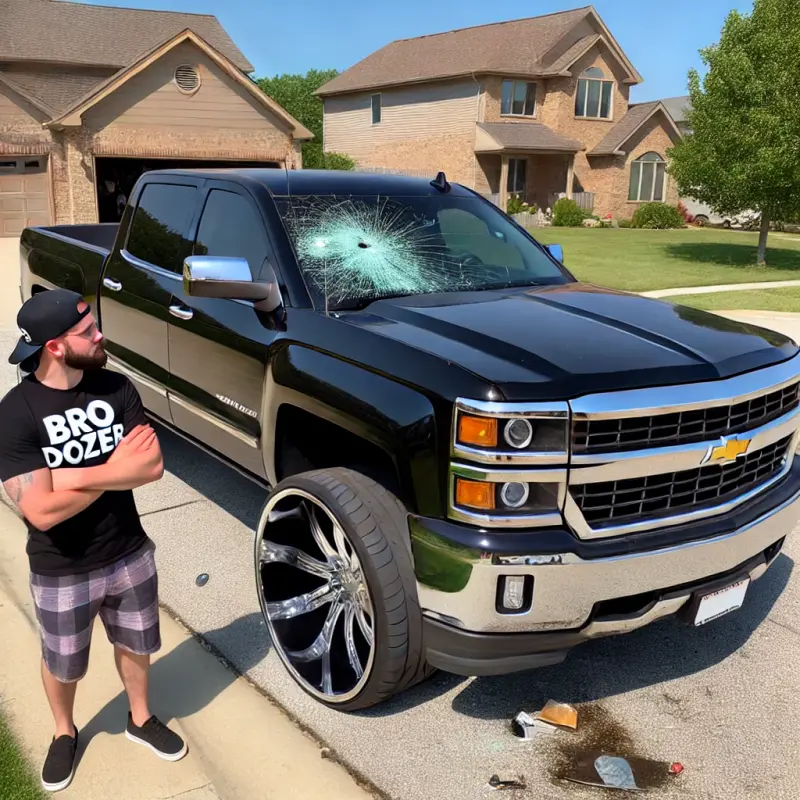
Glass repair decisions come down to structure and line of sight. For laminated windshields, cracks and chips are repairable in the early stages. A dime-sized rock chip away from the edge can often be stabilized in 30 minutes. A long crack that runs from the edge across your field of vision is a different story. Once contamination enters a crack and it grows in heat, even high-quality resin struggles to restore clarity. That’s where windshield replacement Columbia services are the better choice. Side and rear windows, being tempered, do not get chip repairs. They are replaced, full stop.
Safety and weatherproofing aren’t optional
A window that won’t close is more than an annoyance. In summer storms, an open side window soaks the door card and the carpet. In winter cold snaps, the moisture condenses and fogs the cabin, then freezes. I’ve seen customers try cardboard and plastic wrap overnight. It keeps rain out but invites thieves and leaves the interior smelling like a damp basement. If you’re waiting on parts for vehicle glass repair Columbia shops sometimes need to order, at least get the glass wedged up and taped from the inside with painter’s tape against the trim, not across the paint.
From a safety angle, a weak regulator is also a door slam hazard. The shock of closing the door can drop the glass. Whenever I see a window that slides down a few inches after closing, I treat it as urgent. A new regulator and an hour of work cost far less than a new window plus a full vacuum and door seal cleanup.
How shops in Columbia approach the job
Shops vary, but you’ll notice two broad approaches. A dedicated auto glass shop Columbia drivers visit daily leans toward complete assemblies and quick turnarounds. The techs develop speed through repetition and carry a wide range of clips, trim tools, and glass-setting blocks. General repair shops can be excellent too, particularly if the window issue is tied to body electronics, like a multiplexed switch or a module that needs calibration after battery disconnect.
Mobile teams offer strong value for straightforward jobs. Mobile auto glass Columbia services handle windshield chip repair Columbia commuters request on-site, as well as many regulator swaps in parking lots and driveways. If your door card is heavily bonded or the car uses delicate trim clips that break in the cold, a climate-controlled bay is kinder to the plastics. Season matters here. In August heat, adhesive cures quickly. In January, resin needs the right temperatures to bond and stay clear.
For windshields, a controlled environment helps with alignment and urethane cure times. That said, high-quality mobile setups include tents and moisture barriers. The key is whether the tech respects the clock. Most urethanes have a safe drive-away time between 30 minutes and a few hours depending on humidity and temperature. If you need windshield repair Columbia or windshield replacement Columbia the same day, ask about the adhesive brand and cure window. Responsible shops will tell you when the car is safe to drive and when automated driver assist cameras, if present, need recalibration.
Parts quality, aftermarket vs OEM, and what that means
Window regulators live in a tough spot. Aftermarket options cover almost every popular model, and the price gap between OEM and aftermarket can be large. Over the years, I’ve found that the difference shows up in the cable sheath, slider material, and mounting tolerances. For a daily driver you plan to keep for a few years, a reputable aftermarket regulator is fine. If the vehicle is newer or picky about NVH, OEM protects you from minor rattles and misalignment. Motors show bigger differences. Cheaper motors may whine or draw more current, which can shorten switch life.
For glass, fit and optical quality are what count. Aftermarket windshields can be excellent, but I’ve replaced a handful that had distortion near the edges you only notice on curvy roads at dusk. If your vehicle has a camera behind the glass for lane keeping, the bracket bonded to the windshield must match exactly, or calibration becomes a chore. For side windows and back glass, aftermarket is usually safe. The tint band and frit pattern might vary slightly from original. Most customers do not notice once installed.
Costs you can expect, with realistic ranges
Prices swing with vehicle make, model, and parts availability, but a few ranges hold up in Columbia:
- Power window regulator and motor assembly: parts and labor commonly land between $220 and $450 for mainstream sedans and compact SUVs. Luxury models and frameless doors can reach $600 to $900. Regulator only, reusing a good motor: $160 to $300 in many cases. Manual window regulator: often $140 to $250 parts and labor, since the mechanism is simpler. Windshield chip repair: $80 to $130 for the first chip, with a discount for additional chips during the same visit. Windshield replacement: $300 to $600 for common vehicles, $700 to $1,200 for vehicles with acoustic glass, rain sensors, or ADAS cameras that require calibration. Side window replacement: $180 to $350, higher for laminated side glass or rare models. Rear glass replacement with defroster and antenna traces: $300 to $700 depending on complexity.
Insurance can help, especially for cracked windshield Columbia claims. In South Carolina, policies vary. Some carry full glass coverage for windshields, others apply a deductible. If the damage is small and repairable, paying out of pocket often makes more sense. A quick windshield chip repair Columbia service can prevent the crack from creeping across the glass when the afternoon heat hits.
The repair process, without the mystery
On a typical window regulator job, the door panel is removed by carefully popping hidden clips and removing fasteners behind trim caps and inside the pull handle. The switch panel is unplugged, and the vapor barrier is peeled back without tearing. Glass is secured in the up position with tape or suction cups. The regulator fasteners are removed, the glass is lowered onto the regulator shoes, and the assembly slides out through the service opening. New parts go in with attention to torque and alignment. Before buttoning up, an experienced tech cycles the window start to finish, listens for uneven motor pitch, checks pinch protection if equipped, and makes sure the glass seals evenly along the top.
Windshield repair follows a different rhythm. The tech cleans and inspects the chip, sets a bridge tool, and applies vacuum and resin. UV light cures the resin, and the surface is polished. A proper repair stabilizes the damage and improves clarity, though a faint blemish remains at certain angles. That is normal. The goal is structural integrity and stopping crack growth.
Windshield replacement involves cutting the old urethane, removing trim, prepping the pinch weld, and bonding the new glass with primer and urethane that match the vehicle maker’s specs. On vehicles with driver assist cameras, calibration is either static with targets or dynamic with a road test and a scan tool. Columbia has the roads for it, but weather and traffic matter. A shop that does ADAS calibrations regularly will tell you when to schedule to avoid glare and heavy traffic that can interfere with the process.
Common pitfalls and how to avoid them
DIY repairs can succeed, but three mistakes cause call-backs. First, skipping replacement clips. Door panels use single-use plastic clips that lose grip once removed. Reinstalling the old ones creates rattles. Keep a small assortment of clips windshield calibration Columbia SC on hand, especially for popular models like the Camry or F-150. Second, over-lubrication. Greasing the felt channels seems helpful, but it collects dirt and slows the window. Use a light silicone spray on the run channels, and white lithium grease only on the regulator gears and pivot points. Third, ignoring alignment. If the glass rises faster at the rear than the front, loosen the guide bolts slightly and square the glass in the frame, then retighten. Misalignment wears the run channels and overstresses the motor.
On glass work, rushing is the enemy. Installing a windshield and driving off immediately in a thunderstorm can compromise the bond. Respect safe drive-away times. If a shop promises instant readiness, ask how they achieve it. There are fast-cure urethanes rated for quick release, but conditions still matter. Also, watch for fingers on the bonding area of the new glass. Oils from skin reduce adhesion. You want a tech who treats that edge like a no-touch zone.
Weather and Columbia-specific conditions
Columbia’s heat exposes weak parts. When the cabin hits triple digits in July, plastics inside the door soften slightly. That’s when tired sliders slip or noise appears after months of silence. Parking in shade helps, as does cracking the windows, which reduces pressure when you close doors. On the flip side, sudden cold mornings in January make window seals stiff. If your window hesitates, resist forcing it. Give the defroster and heat a few minutes to warm the channels.
Pollen season deserves a mention. The yellow film isn’t just cosmetic. It builds up in the outer squeegee seal and the felt run channels. A gentle cleaning with a damp microfiber along the channels every few weeks in spring keeps movement smooth. I’ve used a thin plastic trim tool wrapped in cloth to guide the wipe without tearing the felt. Small habit, big payoff.
Choosing between shop, dealer, and mobile service
Dealers know their models intimately. If your vehicle is new and under warranty, or if it uses a complex frameless door design like some coupes, the dealer can be a safe bet. Independent auto glass services Columbia residents use daily often match or beat dealer pricing on glass and regulators, and the best techs have touched more door panels in a week than a general line tech sees in a month. Mobile service shines when convenience matters. If your car sits at an office garage downtown or a driveway in Forest Acres, mobile auto glass Columbia teams save time and towing.
Ask three questions before you book. First, what parts will you use and why? If a shop explains the regulator style and offers options, that’s a good sign. Second, what is the warranty on parts and labor? One year on parts and labor is common for regulators and motors. Glass warranties usually cover leaks and stress cracks for a defined period. Third, how do you protect the car during the job? You want to hear about fender covers, seat and door protectors, and taping techniques that don’t touch exterior paint.
When a quick fix can buy you time
Not every situation allows same-day parts. If a regulator fails Friday afternoon and you need the car sealed for the weekend, temporary measures help. Raising the glass by hand and securing it with two strips of painter’s tape crossed over the top edge and anchored inside the door frame keeps load off the felt. Don’t use duct tape on exterior paint. For sluggish windows, a light silicone spray in the channels can get you through a week, but treat it as a bridge, not a cure.
For small windshield chips, the sooner you repair, the better. If you can’t get to an appointment, avoid slamming doors and blasting the AC on max cold right away. The pressure change and temperature gradient can extend cracks. Park in shade when possible. A chip repair done within a day or two has a higher chance of near-invisible results compared to one that sits for weeks collecting moisture and grime.
Real-world examples from the Midlands
A contractor’s Silverado came in with a driver window that thumped at the top. He’d lived with it for months. The regulator pivot had developed play, and the glass hit the upper seal off-center. We installed an OEM regulator assembly and added a new outer belt molding because the old one had a notch worn into it. The thump vanished, wind noise dropped, and he laughed because the fix also stopped the dust streaks he scrubbed every weekend.
A family Sienna had a rear slider window stuck half open after a soccer game in a storm. Mobile service met them at home. The tech found the slider’s cable had snapped. The replacement involved guiding the track under tight trim, a job that is not fun in the rain. The right approach was to pull the interior trim carefully, save the clips, and reseal the moisture barrier. A rushed fix would have left a whistle at highway speeds. Taking an extra 20 minutes made the door as quiet as before.
A commuter with a cracked windshield in a Civic drove around for a month because the crack stayed at the bottom corner. The first hot day after a cold spell, it ran across the driver’s field of view in a single afternoon. Replacement now required camera calibration for lane assist. The cost difference between early chip repair and full windshield replacement plus calibration was a few hundred dollars. The owner told me she wished she had called after the first week.
Where the keywords meet reality
People search for auto glass replacement Columbia or vehicle glass repair Columbia, but what they need is clarity about timing and trade-offs. A cracked windshield Columbia drivers ignore on a mild day may turn from manageable to urgent with one pothole or a temperature swing. Those mobile auto glass Columbia vans you see near Devine Street or Harbison exist because time matters. An auto glass shop Columbia locals return to earns that trust by doing the small things right: centering glass, cleaning urethane beads, torquing fasteners, testing switches, and replacing the clips you’ll never see.
For window internals, the quiet details matter most. A regulator installed slightly crooked will work on day one and grind on day thirty. A motor that draws too much current will make a fresh switch feel spongy and fail early. A vapor barrier resealed with the correct butyl tape keeps your electronics dry. These are not glamour items, but they are the difference between a repair and a recurring problem.
A brief checklist before you book
- Describe the symptom precisely: noises, speed, tilt, and when it happens. Ask about part options: OEM vs reputable aftermarket, and whether the motor is separate from the regulator. Confirm warranty terms on parts and labor, and ask about leak and noise coverage for glass. Discuss timing: safe drive-away times for windshields and any calibration requirements. Request that the shop replace door panel clips and reseal the vapor barrier.
The bottom line for Columbia drivers
Fixing regulators, motors, and glass is not glamorous, but it changes your day. A smooth window, a sealed cabin, and a clear windshield add up to less fatigue, less noise, and fewer surprises when rain blows sideways on I-26. Spend where it counts, be cautious about quick fixes that only mask deeper wear, and choose pros who respect the small steps that keep water out and glass aligned. Whether you schedule windshield replacement Columbia specialists for a Monday morning or swing by for same-day windshield repair Columbia on your lunch break, handle the issue before weather and time turn a simple repair into a bigger one.
Car window repair Columbia isn’t one size fits all, and that is the point. The right call depends on how the window failed, which parts are available, the car’s features, and the weather this week. With a clear diagnosis and an experienced hand on the tools, the solution is straightforward. And the next time you tap the switch, the glass will glide without drama, exactly as it should.